
Effective Listening Skills: How to Communicate Better in Football and Sport
Strong communication is one of the most valuable skills you can develop in football — whether you’re a coach, analyst, player, student or early-career professional. And at the heart of great communication is genuine, focused listening.
Although we all hear what’s happening around us, very few people listen with full attention. Modern life makes it even harder: notifications, social feeds, emails and constant distractions mean our minds often drift long before someone finishes a sentence. But in football — where teamwork, clarity and trust matter — effective listening can transform relationships, learning and performance.
Below are 10 practical habits that can help you become a more attentive, respectful and impactful listener.

1. Face the speaker and maintain natural eye contact
When someone is speaking to you, give them your full attention. Put your phone away, turn your body toward them and maintain comfortable eye contact. This shows respect, reduces distractions and signals that you’re engaged.
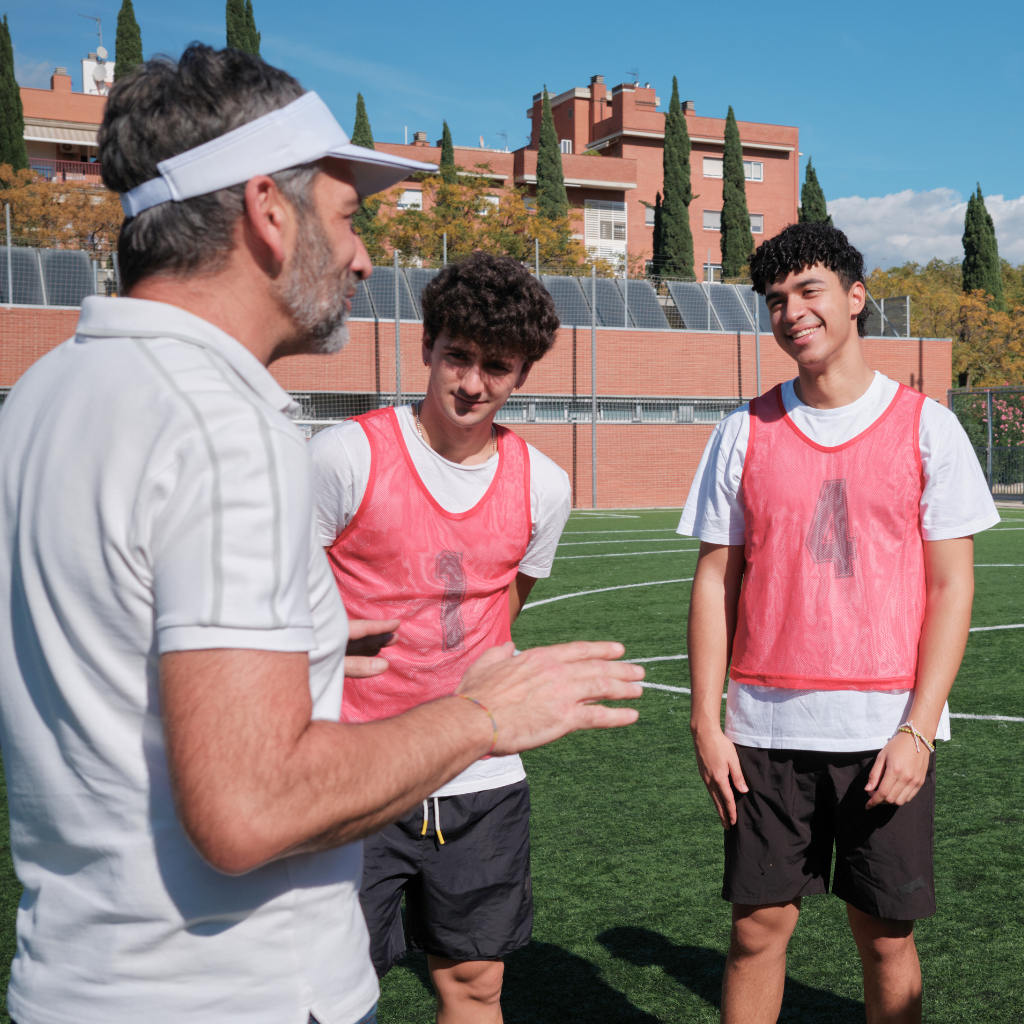
In football environments — from team meetings to coaching sessions — poor eye contact can appear dismissive and impact trust.
2. Stay attentive (but not tense)
Once you’re focused, keep your body language relaxed. You don’t need to stare — it’s normal to look away briefly — but stay mentally present. Avoid getting distracted by external noise, your own thoughts or the speaker’s mannerisms.
You may not agree with everything they say, but staying attentive helps ensure you don’t miss important information.
Want to hear more?
Be the first to hear about new job alerts, industry insights, expert advice and upcoming opportunities across the football world — straight to your inbox.
3. Keep an open mind
Good listeners don’t jump to conclusions. Try not to judge the speaker or assume what they’ll say next. If you “finish someone’s sentence”, interrupt, or form your opinion before they’re done, you risk damaging rapport.
Staying open-minded helps you understand their full perspective — a crucial skill for anyone working in a team-based environment like football.
4. Visualise what they’re saying
Everyone interprets the world differently. Try to build a mental picture of what the speaker describes — especially in longer or more detailed conversations.
This helps you retain key points and stay engaged, even if the topic isn’t naturally exciting.
5. Don’t interrupt (or jump in with solutions)
Interrupting communicates one thing: “What I have to say is more important.” It breaks trust and can derail a conversation. In challenging moments, staying quiet shows discipline and respect. Let the speaker finish before you offer advice or share your own view.
6. Wait for a natural pause before asking questions
If you need clarification, wait for a pause rather than cutting the person off. Quick interruptions can break their flow and cause misunderstandings. A brief wait ensures your question supports the conversation rather than hijacking it.

7. Ask questions to deepen understanding
Questions should help you understand, not shift the topic onto something unrelated.
Avoid asking for the sake of speaking or showcasing your own knowledge — something that can frustrate both the speaker and those listening.
8. Tune into emotion as well as words
Communication isn’t just verbal. Notice the tone, pace and emotion behind the message.
If someone shares a frustration, disappointment or success, let your body language match the moment. Empathy builds connection — something that’s invaluable in sport.
9. Provide helpful feedback signals
Simple cues like nodding, a brief “I see”, or summarising key points show you’re actively following the conversation. In team settings, repeating back an instruction or task ensures you’ve understood it correctly and demonstrates reliability.
10. Notice what isn’t said
Non-verbal communication often reveals more than words. Eye movements, posture, hand gestures and small facial expressions can highlight confidence, stress or uncertainty. Being aware of these signals — and your own — can greatly improve communication in coaching, teamwork and leadership roles.

Practical Listening Exercises
Exercise 1
Watch a sports interview. Does the interviewer respond directly to the athlete’s answers, or simply move through pre-written questions?
Exercise 2
Notice when someone interrupts you in conversation. How does it make you feel? How does it affect the flow?
Exercise 3
Speak with a teammate or coach about a recent match or session. Afterwards, write down five key points they made. How much did you genuinely remember?
Listening takes practice
Developing strong listening skills won’t happen overnight — but the more intentionally you practise, the more natural it becomes.
Whether you’re aiming for a role in coaching, analysis, sports science, media or club operations, effective listening will set you apart and strengthen every relationship you build.
Subscribe for Tips, Advice and more…
Get the latest job opportunities, insider insights and expert tips delivered straight to your inbox — helping you take the next step, whenever you’re ready.
.