
Be S.M.A.R.T – Goal Setting for a Career in Football
Setting goals is something most of us try to do, but very few people do it in a way that genuinely drives progress. Research consistently shows that only a small percentage of people create goals that actually support long-term improvement. In football—whether you’re a player, coach, analyst, or aiming for a role off the pitch—effective goal setting can be the difference between drifting and developing. Clear, structured goals give you direction, boost motivation, and help you measure growth over time.
Before you can decide where you’re going, you need an honest view of where you currently stand. Think of it as establishing your starting point. Once you understand your baseline, your goals become the journey from today’s reality to tomorrow’s ambition. One of the most widely used methods for setting strong goals is the S.M.A.R.T. framework, which helps turn vague ideas into practical steps.
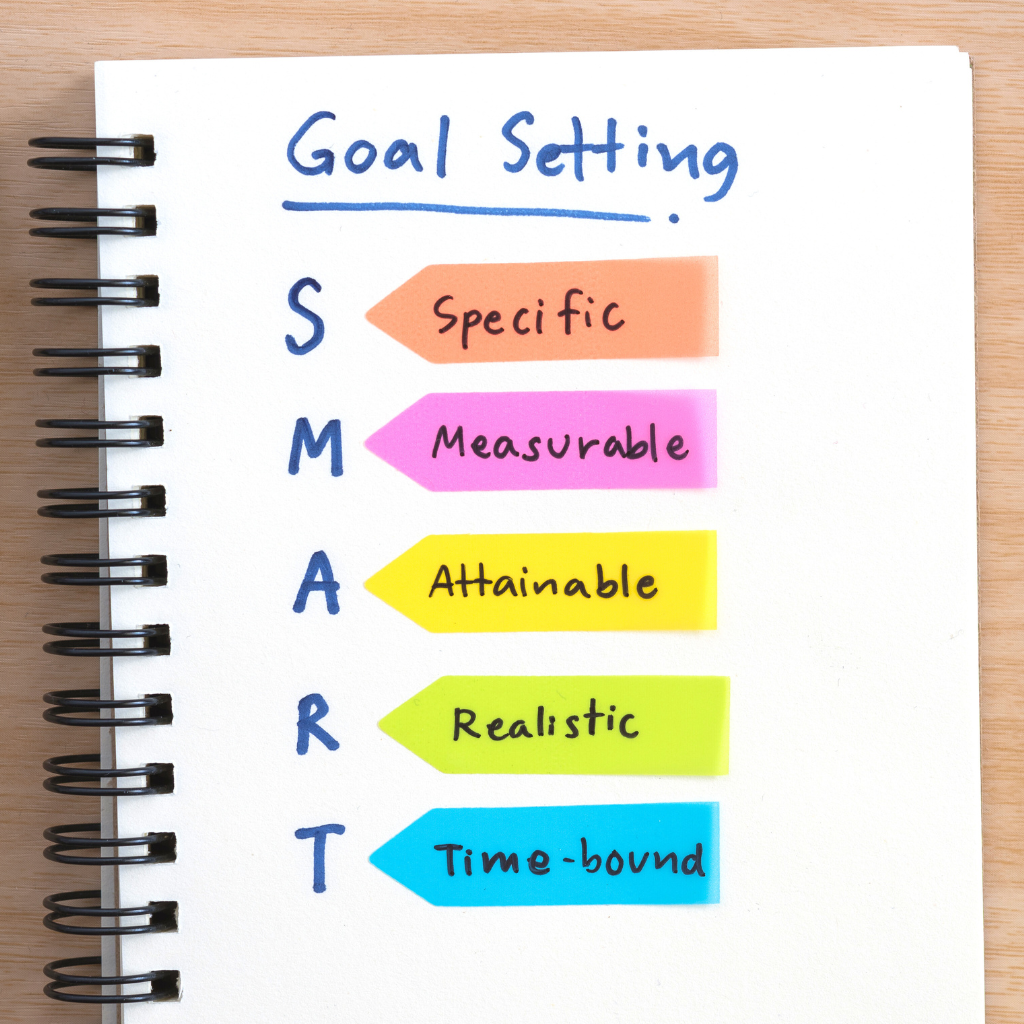
Using the S.M.A.R.T framework
S – Specific
Your goal must be clear and focused. Instead of saying “I want to improve”, define what you want to achieve. For example: “I want to score 15 goals this season”, “I will complete a FA Playmaker course” or “I’ll arrange work experience with a local football club”.
M – Measurable
Add something you can track. This might mean completing 85% of passes, earning two coaching certificates in six months, or submitting three job applications per week. Measurable goals allow you to see progress and stay accountable.
A – Attainable
Ask yourself whether the goal is genuinely achievable once you remove self-doubt and limiting beliefs. Challenging goals are good—but they should still be possible with effort.
R – Realistic
Make sure the goal fits your ability, your schedule, and your circumstances. Realistic doesn’t mean easy; it means appropriate for your current stage of development.
T – Time-bound
Every goal needs a deadline. Timeframes keep you focused and prevent goals from drifting endlessly into the future.
Bringing your goals to life
Once you’ve identified your goals, write them down clearly and positively. Visualising success—what you’ll see, hear, and feel when you achieve it—helps strengthen motivation. The goal must remain yours; it should be self-driven, not something others want for you.
Goal setting is especially valuable during challenging periods. Injured players often maintain better mindset and progress when their rehabilitation is guided by achievable milestones. The same applies to job seekers or young professionals trying to break into academy or grassroots pathways: small wins keep you moving forward.
Many people set goals that are far too big and too distant. Instead, identify your long-term ambition and then work backwards, breaking it into smaller, practical steps. Consider the context, too—where, how, and with whom you want to achieve the goal. Without context, goals become vague and harder to follow.
Finally, think about the “secondary gain”—what you may need to change or sacrifice. Strong goals sometimes require new habits, new routines, or even letting go of comfortable patterns that no longer help you progress.
Want to hear more?
Be the first to hear about new job alerts, industry insights, expert advice and upcoming opportunities across the football world — straight to your inbox.
Exercise: Creating your personal goal setting plan
Write down where you are today and where you want to be in 12 months. With that vision in mind, break the journey into small, S.M.A.R.T-aligned steps.
Use this template to structure your plan:
- Specific
- Measurable
- Attainable
- Realistic
- Time-bound
Regularly review your progress, adjust where needed, and keep moving toward the bigger picture. With consistent and meaningful goal setting, you’ll build momentum in your football career—one step at a time.
Subscribe for Tips, Advice and more…
Get the latest job opportunities, insider insights and expert tips delivered straight to your inbox — helping you take the next step, whenever you’re ready.
.